





Homeowners who avoid the 11 p.m. backup and the surprise four-figure repair usually treat drain cleaning as maintenance, not crisis response. So the practical question is simple: how often should you have your drains professionally cleaned?
Related service: Drain Cleaning from Just Drains
The honest answer is that it depends on your home, but there are clear, defensible intervals you can use.
For a typical single-family home with no recurring problems, a reasonable baseline looks like this:
Homes and businesses with risk factors should be serviced more often, and we will get to those.
That is the summary. The reasoning behind each number matters more than the number itself, so here is how it breaks down by drain type.
Not every drain in your home carries the same load or the same risk, so a single blanket schedule does not serve you well. Here is how to think about the main ones.
The kitchen line takes the most abuse because grease, fat, and food residue enter it daily and accumulate on the pipe walls over time. Light monthly upkeep helps: flushing the drain with hot water, keeping grease out of the sink entirely, and using a strainer.
Those habits slow the buildup rather than remove it, so an annual professional drain cleaning is a sound baseline for most kitchens. If you cook heavily or notice the sink draining more slowly, clean it sooner.
The main line is the artery of your whole system and where the most disruptive and expensive failures occur. It collects everything from every fixture and runs underground, where roots and buildup accumulate out of sight. Professional sewer cleaning every 18 to 24 months is a widely used preventive interval for an average home.
Scheduled cleaning keeps minor buildup from becoming a full blockage that backs sewage into your lowest fixtures.
Bathroom sink, tub, and shower drains clog mainly due to hair and soap scum, so routine cleaning between professional visits often resolves the issue. Use symptoms to judge timing: slow drainage, gurgling, or odor mean it is time, not a fixed calendar date.
Volume changes everything. A restaurant kitchen, a multi-unit building, or any high-use commercial property puts far more through its lines than a single household, so these often need professional cleaning quarterly or even monthly, depending on use. Food-service operations in particular accumulate grease fast enough that a residential schedule would leave them chronically backed up.

The intervals above assume an average home. Several common conditions shorten them, and recognizing yours helps you choose a schedule that protects you rather than leaving gaps.
Here is the part that makes the whole schedule worth keeping. Waiting until something breaks may feel thrifty, but with drains it usually costs more, because a small buildup you could have cleared cheaply becomes an emergency that backs up and damages property.
The principle is well established in wastewater guidance. The U.S. Environmental Protection Agency frames routine maintenance as a modest, predictable cost that extends a system life and prevents failures that can cost thousands of dollars.
While that guidance addresses septic systems specifically, the economics apply just as directly to your drains and sewer line, where scheduled cleaning costs a fraction of an after-hours emergency call, water-damage cleanup, and the repair itself. Maintenance is the cheap, boring option, and that is why it wins.
Terry Mascari called Just Drains to clear a clog in the bathroom. It seems like a routine problem until it is not, and this one did not give up easily. Our plumbers, Akeem and Danny, came out to assist, and together they worked through the obstacles and cleared the line.
Terry described them both as knowledgeable and professional:
“Akeem came to clear a clog in my bathroom. He met with difficulties in the line. Danny, the boss, came to assist. They got through all the obstacles and cleared the line. They were both knowledgeable and professional, and extremely reasonable with their fees. Thank you for all the time spent.”
Read Terry’s full Google review.
The outcome shows what you want from a maintenance relationship: a difficult clog fully resolved rather than partially cleared, handled by a team willing to escalate to get it right at a fair price. That is the kind of thorough, honest service that makes scheduled upkeep worth entrusting to one company.
Regular professional cleaning handles the buildup deep inside your pipes, but there are simple things you can do at home to slow down accumulation between service visits:
Most chemical drain cleaners sold in stores use caustic or acidic formulas that can generate heat inside your pipes. While they may dissolve a minor clog temporarily, repeated use can damage pipe walls, weaken joints, and corrode older plumbing. They also tend to punch a small hole through the clog rather than fully clearing it, which means the problem often returns.
If a plunger and hot water don’t resolve a slow drain, it’s generally better to call a licensed drain-cleaning professional rather than reaching for a chemical product that may cause more harm than it fixes.
You don’t need to wait for a scheduled cleaning to know something is off. These are the signs that tell you buildup is already affecting your drains:
If you’re noticing one or two of these signs, it’s a good time to schedule cleaning. If you’re noticing several at once, especially water backing up in multiple places, that may indicate a mainline issue that needs prompt professional help. Just Drains can often arrive within 60 minutes to assess and clear the problem.
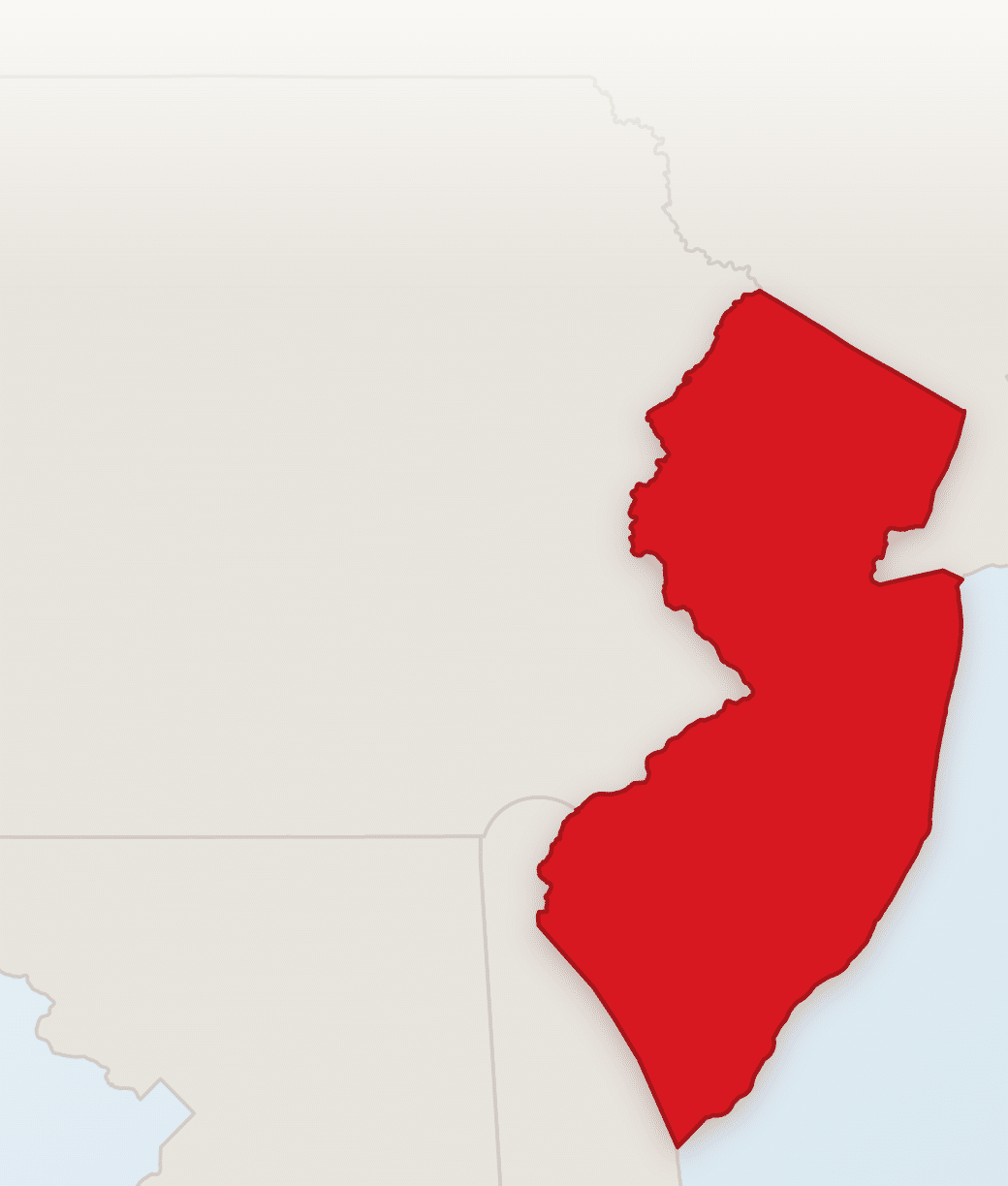
If keeping track of intervals sounds like one more thing to manage, a dependable local drain company earns its place. Just Drains is a father-son company with three generations of plumbing experience, operating out of Howell and serving the surrounding Monmouth and Ocean County communities. Clearing and maintaining drains and sewer lines is all we do, so we can help you set a sensible schedule for your home, whether that is annual kitchen service or main-line cleaning every couple of years. Contact our team online today.

For an average home, every 18 to 24 months is a sound preventive interval, though homes with mature trees near the sewer line or older pipes may need it more often.
Keep up light monthly maintenance yourself, and have the kitchen line professionally cleaned about once a year, sooner if you cook heavily or notice slow drainage.
Yes, because buildup accumulates invisibly on pipe walls long before a clog forms, and scheduled cleaning prevents the backup rather than reacting to it.
Older cast iron pipes, trees near the sewer lateral, large households, heavy kitchen use, and a history of clogs all accelerate buildup and shorten the interval.
Generally yes, since routine cleaning costs far less than an emergency call, water-damage cleanup, and the repair that follows a full backup.


Get an honest answer before it turns into a bigger job. Free estimates across New Jersey, 24/7.
Claim Your Offer
Tell us where to send it. We will email the coupon straight away so you can show it when you book.
One offer per job. Show the coupon at time of service. Prefer to talk? Call (732) 320-9860, 24/7.